


With a silent movie from 1926, reside organ accompaniment and a gathering of neighbors and public officers, the New Jersey film home celebrated its hundredth anniversary—and revealed plans for the years forward.
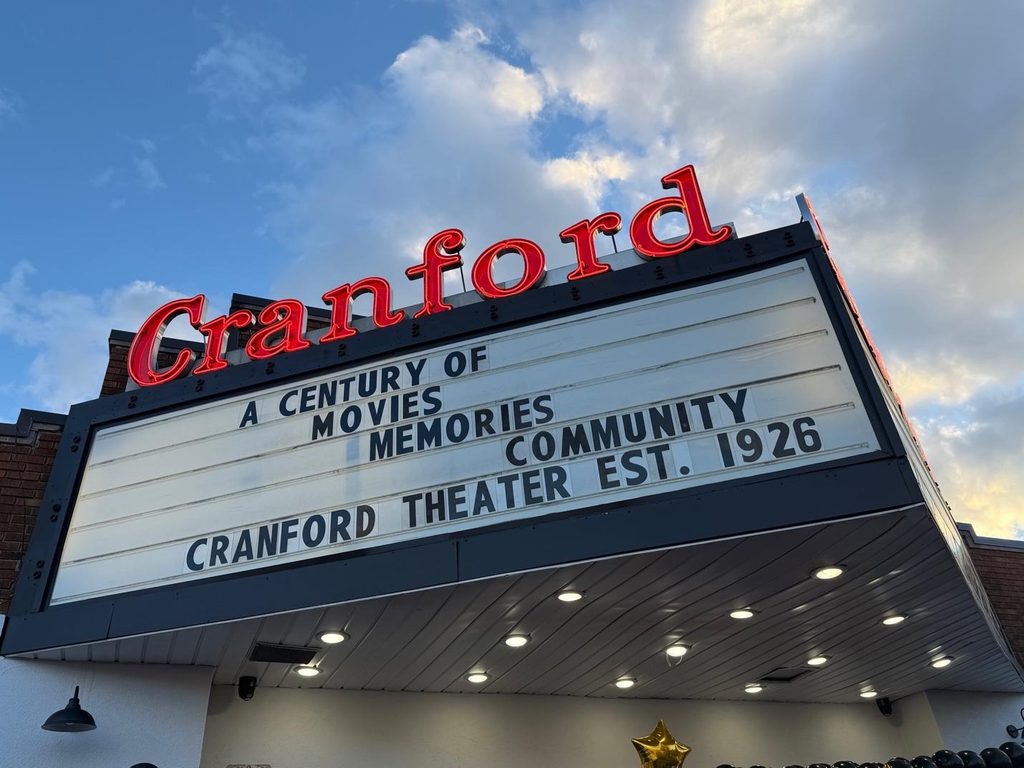
Doreen Sayegh was standing earlier than a room full of individuals celebrating her theater’s hundredth birthday when she introduced up a topic that had apparently been bothering her: the lights.
A number of the bulbs on the Cranford Theater’s marquee had gone out. She knew. In fact she knew.
“Anybody who is aware of me is aware of that I’ve seen,” she instructed the viewers, drawing laughter.
Ordinarily, she would have had the issue mounted instantly, notably earlier than an event like this. However there was a bigger plan. The marquee would get replaced with an actual duplicate, whereas its acquainted crimson neon lettering can be serviced and restored.
It was a becoming announcement for a night that introduced the theater’s previous and future into unusually shut proximity. Inside, a movie from 1926 was ready to be proven with reside musical accompaniment. Outdoors, the signal that had welcomed generations of moviegoers was making ready for an additional incarnation.
The event was the Cranford Theater’s centennial celebration, organized round a screening of Padlocked, the silent drama that inaugurated the film home on November 29, 1926. The movie had been restored by the San Francisco Silent Movie Pageant, and Ben Mannequin, a specialist in silent-film accompaniment, was there to carry out on the organ.
Sayegh thanked Robert Tevis, who linked her with Mannequin and helped safe the movie.
“With out Robert, this occasion tonight wouldn’t have occurred,” she stated.
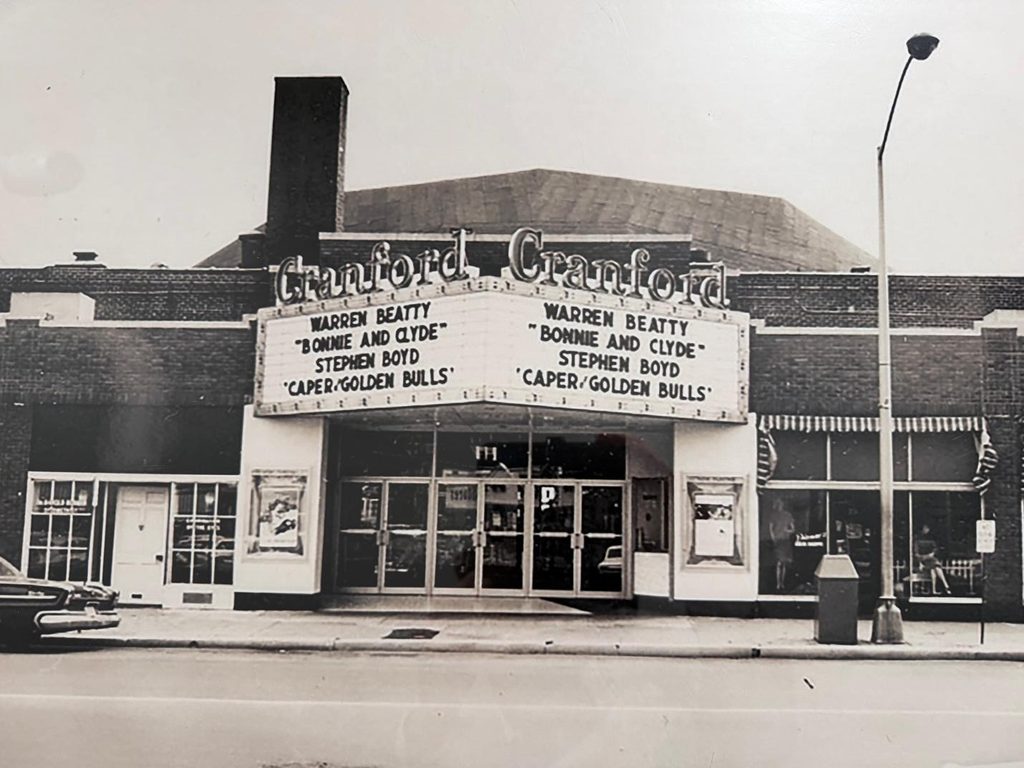
The unique theater, then generally known as the New Branford, seated 1,300 folks in a single auditorium outfitted with a Wurlitzer organ. Renamed the Cranford in February 1927, the constructing was divided into two auditoriums in 1978 and finally grew to become a five-screen cinema.
For the anniversary, the theater obtained a joint legislative decision from the New Jersey Senate and Normal Meeting. Sponsored by Senate President Nicholas P. Scutari, Assemblywoman Linda S. Carter and Assemblyman James J. Kennedy, the decision congratulated the theater and the Sayegh household on the milestone.
Cranford Mayor Kathleen Miller-Prunty attended the celebration, together with Union County Commissioner and Vice Chair Rebecca Williams. The mayor’s remarks have been affectionate however hardly an train in unqualified nostalgia.
“You all know that Cranford Theater has been round for 100 years, and so they’ve seen every part,” she stated. “However you understand, I’ve been considering, simply in the previous few years, they’ve seen quite a bit.”
She counted the troubles: floods, the pandemic, an financial downturn and the ceiling collapse that closed the theater in April 2025.
“It’s nonetheless right here, and it’s nonetheless not simply surviving, it’s thriving,” Miller-Prunty stated, crediting Sayegh’s ingenuity and willpower.
“Geographically, the theater is within the coronary heart of city,” she added. “However the movie show is the center of city.”
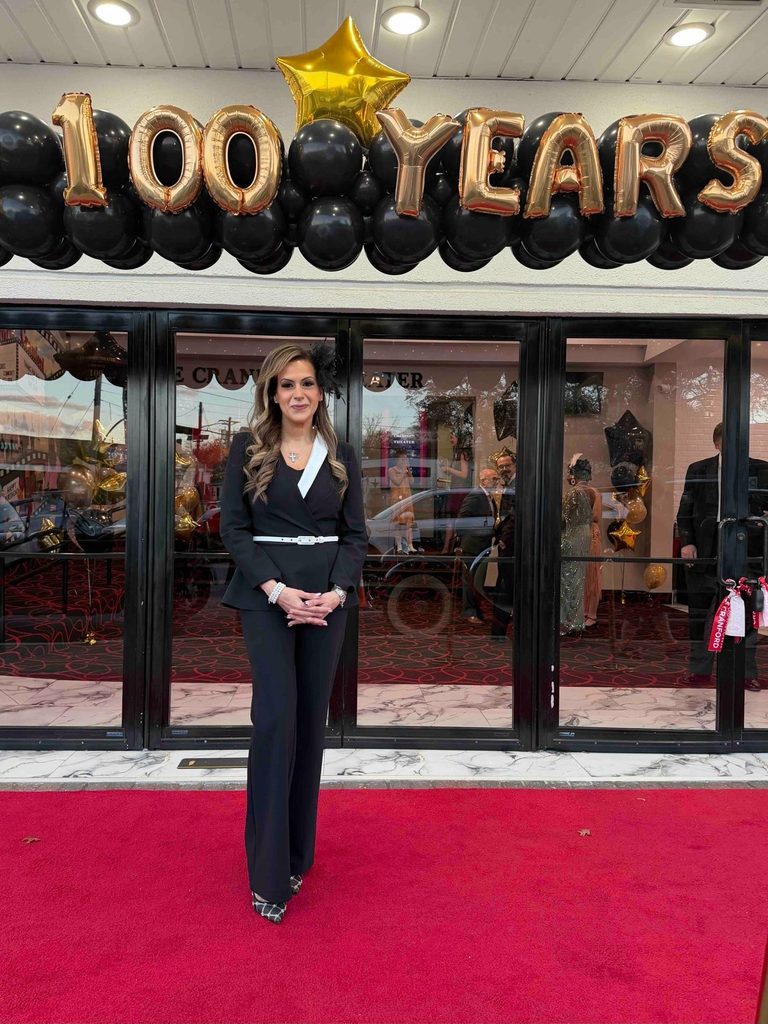
For Sayegh, the night was notably private. Her father, Jesse Sayegh, operated film theaters in New Jersey, and he or she grew up within the enterprise. She returned to exhibition in 2019, taking up the Cranford and renovating it. 4 and a half months later, the pandemic compelled its closure.
She improvised a drive-in operation and finally reopened the auditoriums, solely to face one other closure when a ceiling collapsed in April 2025. The theater reopened seven months later, shortly earlier than its 99th anniversary.
Standing earlier than the centennial viewers, Sayegh acknowledged those that had helped her by means of the setbacks.
“Since reopening in 2019, we’ve skilled great moments and a few very troublesome ones,” she stated. “We’ve needed to shut our doorways, discover one other manner, and start once more.”
She thanked her household, mates, workers and the group for his or her help.
“So a lot of you might have been there for me personally, and I’m deeply grateful.”
The night additionally introduced a number of bulletins concerning the theater’s future.
The primary drew quick applause: the Cranford had been awarded its liquor license.
“This provides us a chance to broaden our choices, create new experiences, and usher in income that can assist this group theater proceed to develop,” Sayegh stated.
The theater additionally plans to introduce sponsorship alternatives for native companies and organizations, together with subscriptions later subsequent yr. Such measures are notably essential for impartial cinemas navigating altering viewers habits and the prices of sustaining older buildings.
“Preserving a theater like this takes greater than loving its historical past,” Sayegh stated. “It takes discovering methods to assist it succeed as we speak.”
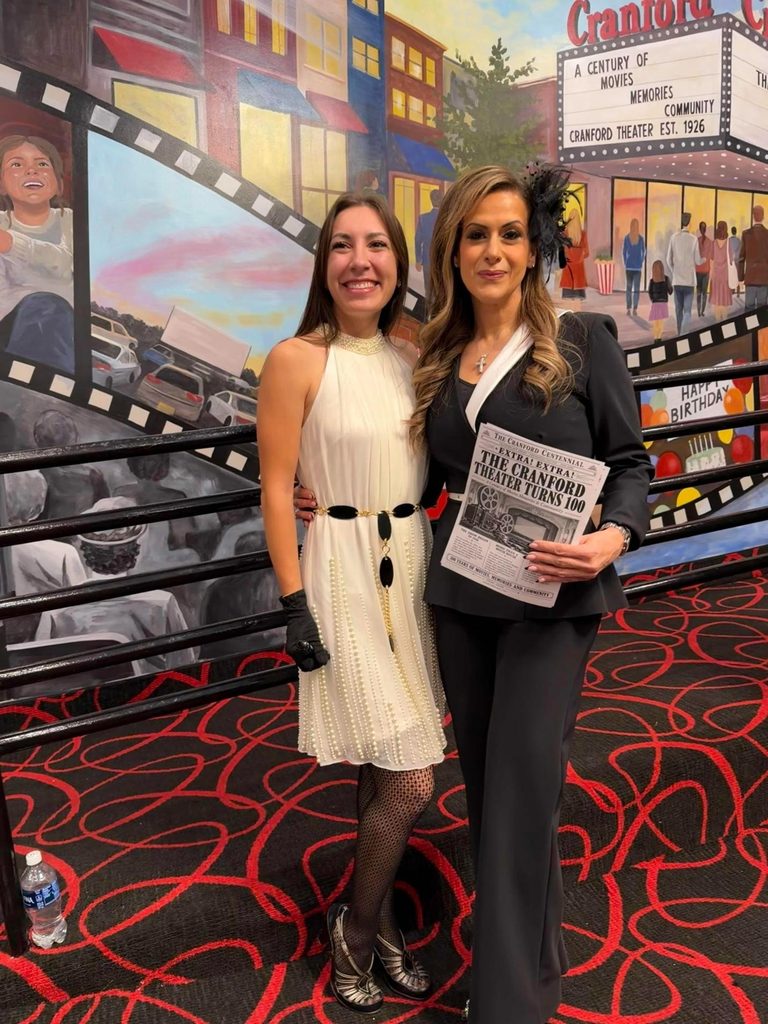
Inside, a newly accomplished foyer mural depicts Sayegh, her father and her daughter Natalie, representing three generations of a household concerned within the film enterprise. Sayegh thanked the artist, Lynn, for bringing their historical past to life.
The theater has additionally been gathering pictures, notes and keepsakes for a time capsule supposed to be opened on its a hundred and twenty fifth anniversary.
The night’s principal attraction, nevertheless, required no new expertise or building work. It required a surviving movie and somebody who knew how one can play together with it.
Mannequin has spent a long time accompanying silent footage at museums, archives and historic theaters, together with the Museum of Fashionable Artwork and the Library of Congress’s Packard Campus Theatre. His work restores a necessary factor of early moviegoing that disappeared with synchronized sound.
In 1926, a theater organist was not merely offering background music. The efficiency established tempo, equipped dramatic emphasis and will change an viewers’s expertise of a scene.
“Ben, thanks for bringing your expertise to Cranford and giving us the chance to expertise these movies as audiences did a century in the past,” Sayegh stated.
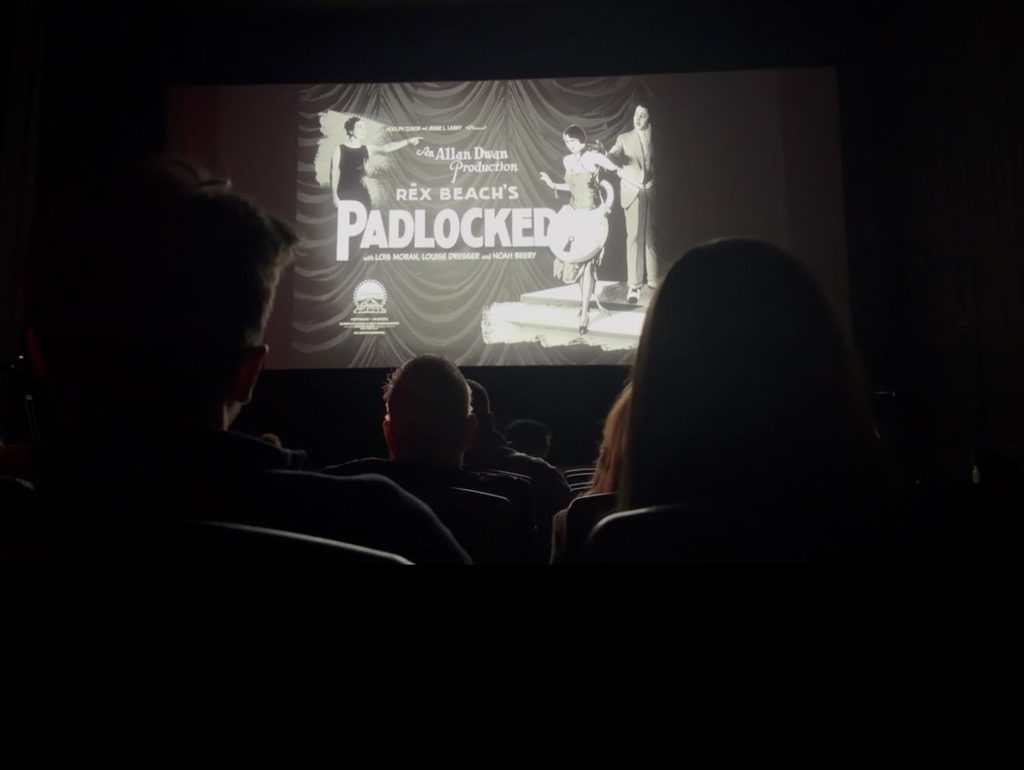
Padlocked, a melodrama a couple of younger girl struggling in opposition to her father’s strict ethical authority, provided the viewers a uncommon alternative to observe the identical image in the identical constructing as moviegoers in 1926.
Sayegh’s remarks returned to the individuals who had occupied the theater over the a long time.
“Consider all the primary dates, household outings, afternoons with mates, and kids seeing their very first film,” she stated. “Generations of individuals have walked by means of these doorways and left with reminiscences they nonetheless carry with them as we speak.”
The night’s bulletins made clear that Sayegh was not treating the anniversary as a end line. Her ambition was expressed in significantly easier phrases.
“Years from now, I need households to nonetheless be capable to say, ‘Let’s stroll downtown and see a film,’ simply as they’ve for 100 years.”
By the point the night turned to Padlocked, the viewers had heard about laws, restoration, enterprise plans, household historical past and some troublesome lights. Then got here the half that wanted little rationalization: a musician, a display screen and a roomful of individuals watching a film.

